Please make your selection from the options below. Whether you want to see just properties for sale, or properties to let, or a mixture of both,
Keep your eye out for properties with the label Video Tour Available. These properties also have a Virtual Tour video viewable from the property details page.
Opening doors to your futureResidential Sales and Lettings in the Plymouth area
Opening doors to your futureLocally owned and run Independent Estate Agents
Opening doors to your futureSales and Lettings offices centrally located
Opening doors to your futureHighly motivated friendly staff
Opening doors to your futureEstablished in Plymouth since 2003
Opening doors to your futureHighest levels of customer service
Opening doors to your futureExtensive knowledge of Plymouth and surrounding areas
Opening doors to your futureDedicated to making the process as smooth as possible
Opening doors to your future
Residential Sales and Lettings in the Plymouth area
Opening doors to your future
Locally owned and run Independent Estate Agents
Opening doors to your future
Sales and Lettings offices centrally located
Opening doors to your future
Highly motivated friendly staff
Opening doors to your future
Established in Plymouth since 2003
Opening doors to your future
Highest levels of customer service
Opening doors to your future
Extensive knowledge of Plymouth and surrounding areas
Opening doors to your future
Dedicated to making the process as smooth as possible
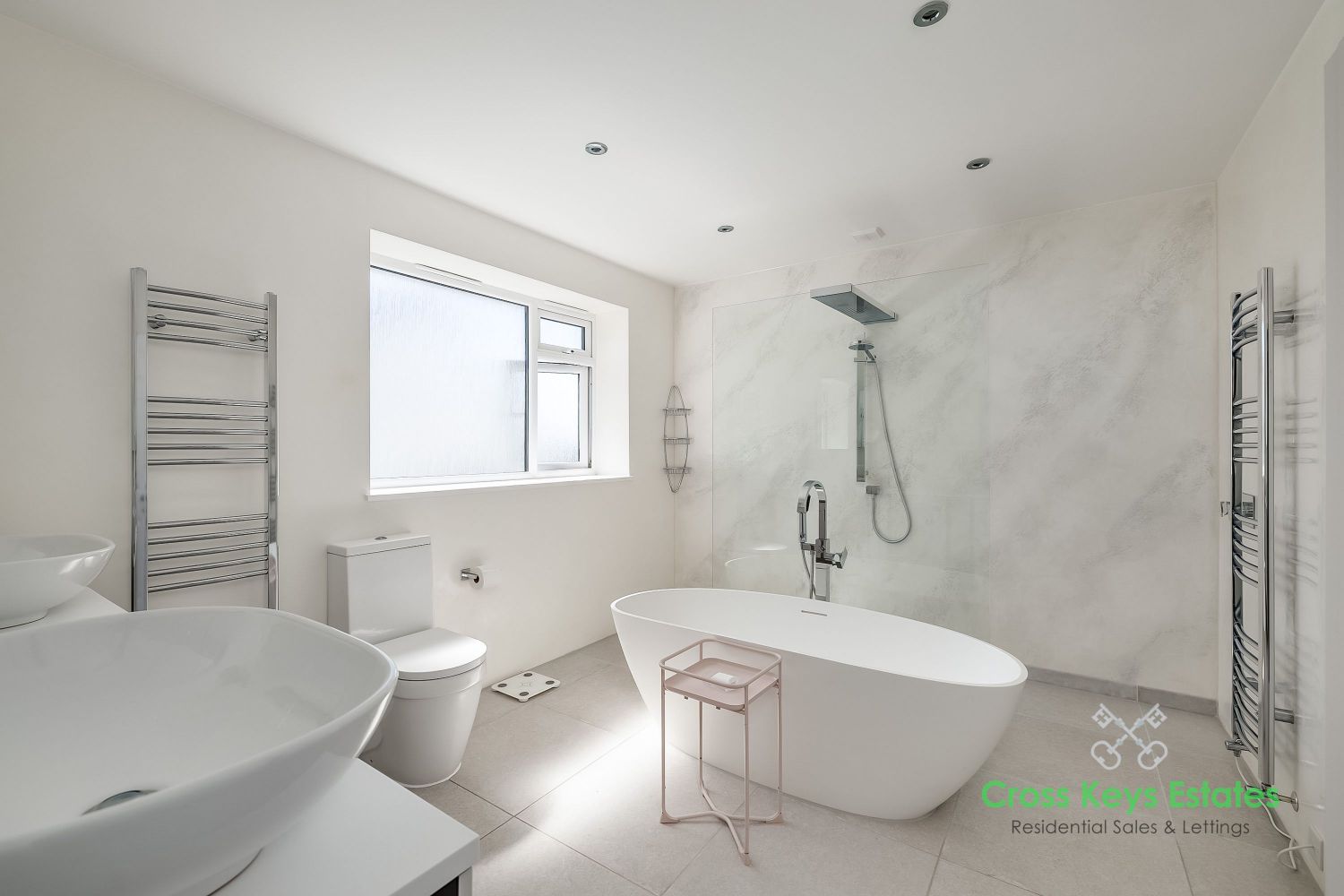
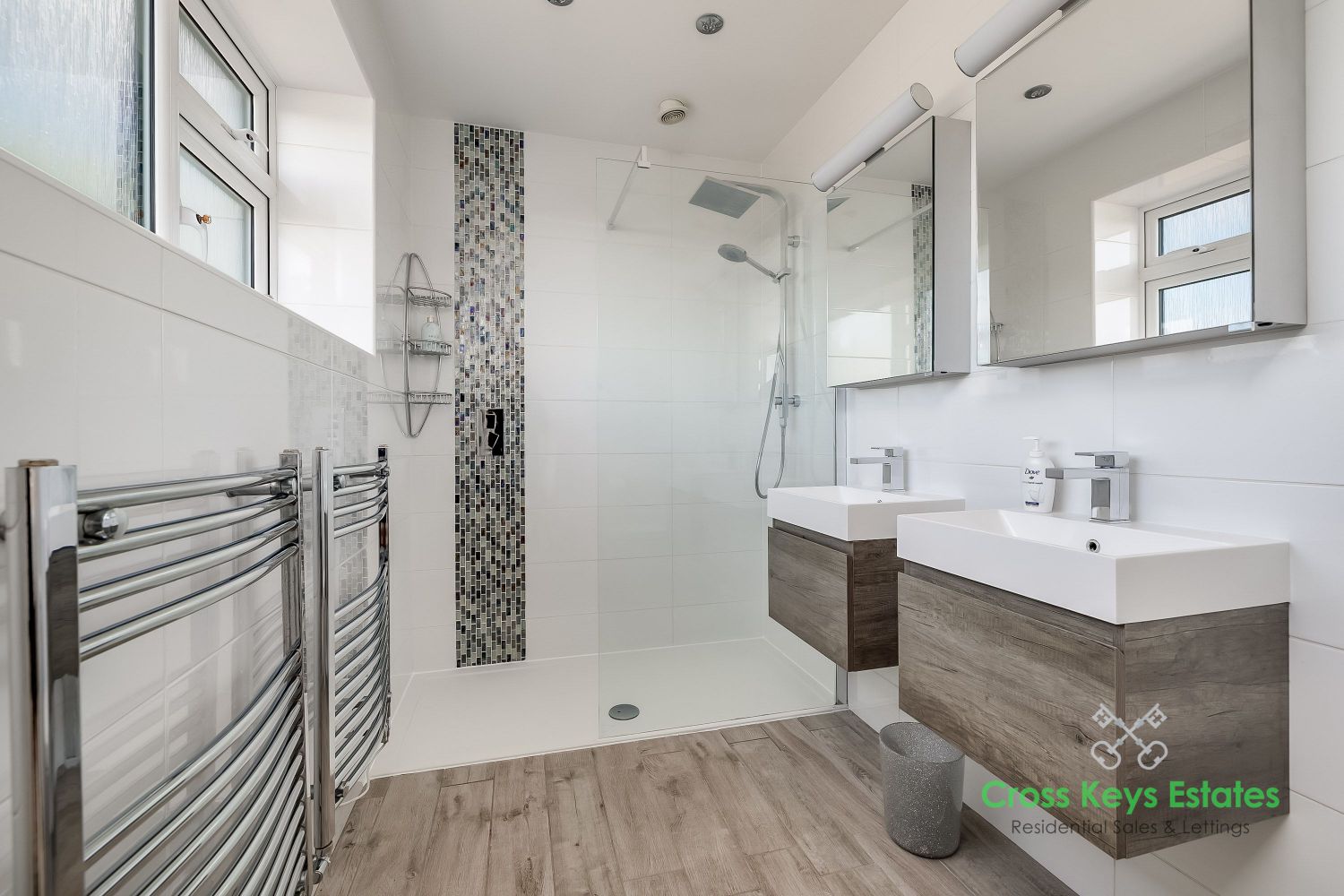
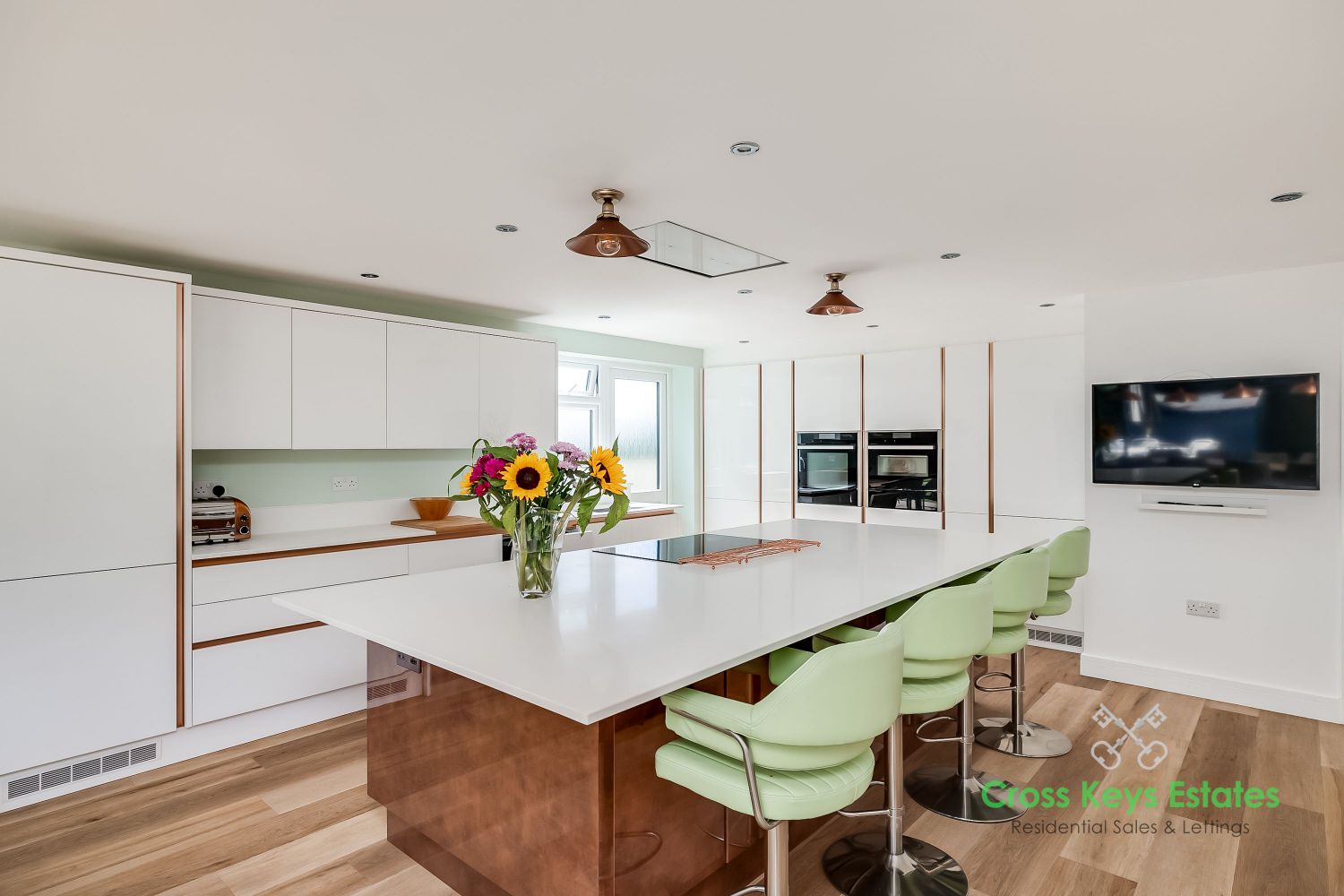
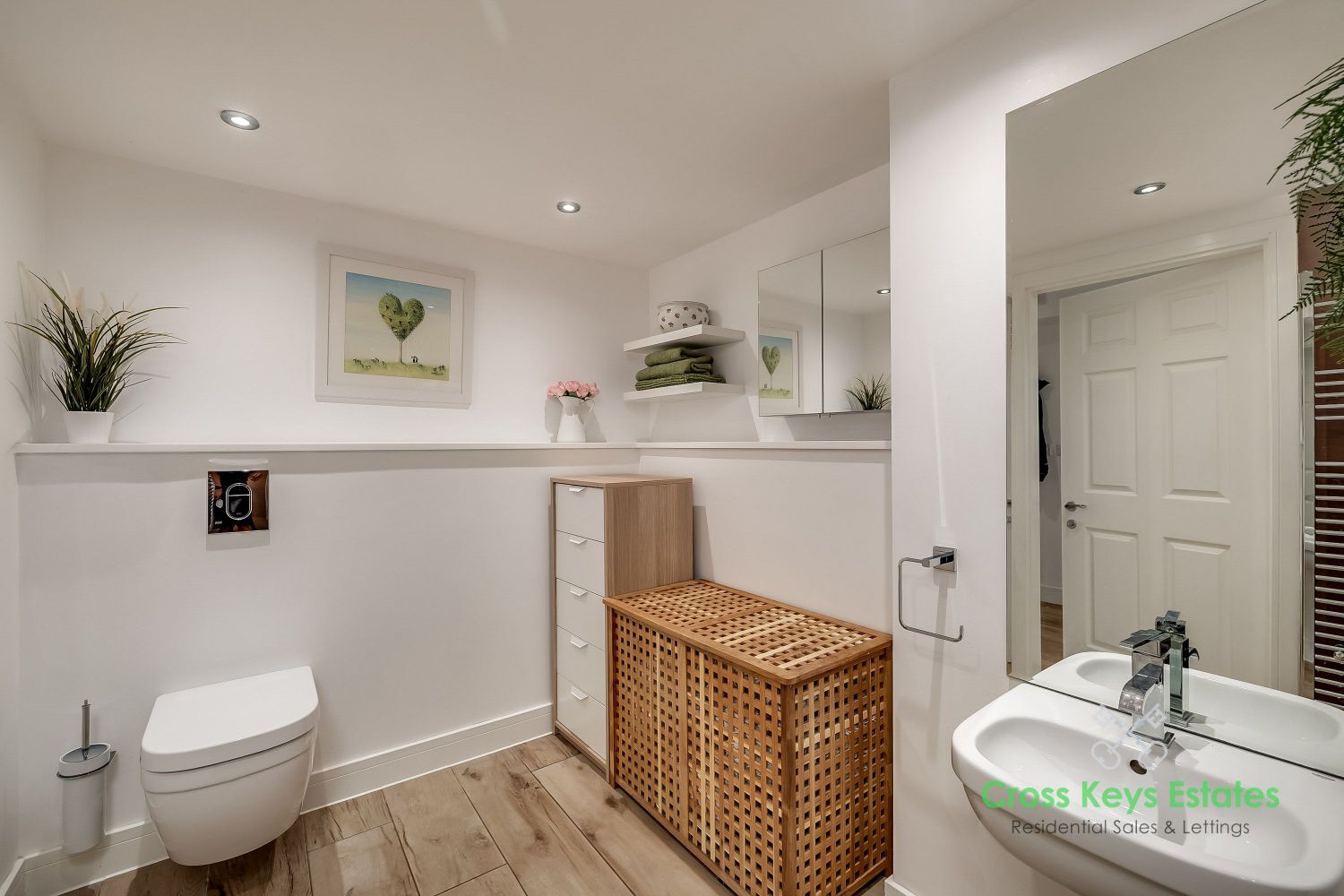
In today’s slower property market, staging your home has never been more important. With buyers taking their time and comparing more options, those small finishing touches can make a surprisingly big difference. Simple steps like decluttering, adjusting lighting, and adding warm, welcoming details can instantly make a property feel brighter, more spacious, and far more homely.
Effective staging helps potential buyers imagine themselves living in the space, making your home stand out as more desirable and memorable. It’s a cost-effective way to attract attention and give your property the best possible chance of achieving a strong result. From my experience valuing properties and preparing them for market, I’ve seen first-hand how a few finishing touches can transform a home’s appeal, both in photographs and in person.
Here’s what to focus on when you’re getting ready to sell:
First Impressions: Curb Appeal
The very first thing buyers see is the outside of your property, so it’s worth spending a little time there.
General maintenance can go a long way from clearing pathways, removing any weeds and mowing the grass.
Adding some greenery and colour: Simple touches like hanging baskets or potted plants are a nice touch to make the property more welcoming.
Think about marketing photos: The front shot is often the lead image on all property marketing portals and websites. It’s also what people see if you have a “For Sale” board up, so it really does influence whether someone picks up the phone to book a viewing.
If you have a driveway, consider moving your cars for the photographs and during viewings so buyers can appreciate the space properly.
Getting the interior ready – Presentation goes a long way
Declutter and clear kitchen counters, desks, and surfaces. Kitchens help sell houses, many buyers focus on the kitchen first, only leave out a couple of practical appliances, and tuck away bulkier items (yes, even the air fryer!). Empty bins and remove bags, coats, or shoes from the floor.
Keep it homely: Don’t strip everything away, as empty rooms can feel cold. The goal is to create a neat and tidy but still lived in environment.
Personal items: You may wish to store away children’s artwork and family photos for both the photographs and viewings.
Upstairs: Bedrooms and Bathrooms
Bedrooms: Make beds neatly with pillows, throws, or cushions, and put laundry away. Hoover carpets to give a crisp finish.
Bathrooms: Shower curtains being neatly to one side, toilet seats down, limiting the number of products visible. Smaller touches like polishing taps and mirrors and ensure everything sparkles and looks its best.
Lighting: Open blinds and curtains to let in as much natural light as possible so the space feels bright and welcoming.
Gardens: Tidy, Not Transformed
You don’t need to embark on a full landscaping project, but gardens should look cared-for.
Cut the grass and sweep patios or decking.
Replace any broken fence panels.
Keep it simple and tidy so buyers can imagine how they’d use the space.
Removing any covers from garden furniture
Adding some colour by placing a few flowerpots.
Final Finishing Touches
It’s often the little extras that make the difference:
Set the dining table with crockery and glasses to suggest entertaining space.
Add fresh flowers or a bowl of fruit in key rooms.
Place a throw over the sofa to make living spaces feel warm and welcoming.
Slideshow Gallery
Please click on the link below to view a slideshow gallery
At Cross Keys Estates, we pride ourselves on presenting every property at its absolute best. Our photography is always professional and high-quality, ensuring your home stands out from the very first glance. Each listing is accompanied by an in-depth, knowledgeable description that captures the full character and potential of the property.
We also maximise exposure through targeted mail-outs to large audiences and active promotion across social media platforms such as Facebook and TikTok. With great attention to detail and a commitment to getting every finishing touch just right, we work hard to create a strong impression and help you achieve the best possible sale.
When buying or selling a property, trust is the most essential factor. This is one of the most significant decisions you will make, and you need to know that everything your agent is doing is in your best interest. This is why our service and your reviews are so important to us at Cross Keys.
Most people looking to buy or sell will check reviews before contacting an agent. Positive reviews strengthen our reputation and build trust between our clients and us. They help clients decide which agent to instruct, as we hope that each review reassures them that they have made the right decision in selling or purchasing a property. Just as when you choose a restaurant or a place to stay that is unfamiliar to you, we all tend to rely on recommendations and reviews from family and friends. Reviews are crucial, and depending on their content, they can significantly contribute to a company’s growth, whether by highlighting areas for improvement or reflecting a five-star experience.
Potential clients always look at reviews to learn about genuine experiences from past and current clients. In a competitive market, reviews can sometimes be the deciding factor in which agent a client chooses. Reassurance can mean a lot, whether the client is knowledgeable about the process or needs more guidance from the start.
We always aim to ask our clients for a review on different occasions throughout the process. For example, it is vital for us as a company to receive feedback following day-to-day viewings, during negotiations, once a property has exchanged, and again once the property has been completed. This demonstrates our interest in hearing our clients’ thoughts and experiences, whether about a specific transaction from start to finish or about their broader search for a new home.
Building a good rapport with our clients is essential. It allows us to build strong, genuine relationships and to foster continued business in the future.
Every review is targeted at a different audience, whether it is an investor selling properties, first-time buyers, or people selling to buy a new home. Reviews show that we can help everyone. Here is a lovely review from a first-time buyer:
“Great team. Very friendly and helped answer my questions. Made sure to keep me up to date on details and helped explain what would happen next. Highly recommend for first-time buyers.”
Alfie Bennett
This lets other first-time buyers know that we are a reliable agent who can cater to everyone.
Renters’ Rights Act 2025 – once it becomes law
Well, after lots of anticipation, many months of speculation being debated in the House of Commons, then to the House of Lords and back again, the Renters’ Rights Bill finally gained Royal Assent on 28th October 2025 and will soon become an act of Parliament. At present it looks likely that the changes will be introduced part by part, starting as early as December of this year until the entire bill becomes law during the course of 2026.
As you can imagine, the entire bill is large and wide ranging and the document itself looks quite intimidating if you ever set out to read it from beginning to end! With that in mind, I thought I would go through it myself to try pick out the salient points that a landlord would like to know. I have put each part into manageable sections, under the relevant heading for ease of reading, below. Simply click on a heading to expand.
Tenancy Changes
The first thing to be aware of is that fixed term tenancies will cease to exist and they will all become periodic from day one of the new law. If the rent is paid monthly, then they will become known as “monthly periodic tenancies.” These days most tenants pay rent monthly but for the few that do pay weekly, it will be a “weekly rolling tenancy.”
For a tenant to end a tenancy, they must give 2 months-notice in writing, and the end date of the tenancy must align with the end of a rent period. In the event that the tenancy is a joint tenancy, if notice is given by only ONE tenant, then this will bring an end to the tenancy for all tenants. A shorter notice is allowed if both parties (Landlord /Tenant) agree in writing.
Cross Keys’ Comment:
This is a big change as all parties have been used to having the security of a 6 or 12 month agreement that gives both sides security for that period of time. The absolute worst-case scenario going forward is that a tenancy could last only 2 months, assuming they give their 2 months’ notice on the day that they move in! (unlikely I am sure!).
It goes without saying that we really do not know what impact this is going to have on how long tenants stay at a property, but I would hope that the average stay would stay around the current length of 20-24 months. Personally, I think that tenants would not move around unnecessarily just because they can! Time will tell.
Changes for Grounds for Possession
The legislation will abolish Section 21 notices, which is the ability to evict a tenant with 2 months-notice, without stating a reason, commonly known as “no fault evictions”. The Landlord will still have grounds to evict tenants via a Section 8 but the reasons for doing so will be restrictive and some of these have been noted below (there are others but I chose the ones that I think would affect Landlords and Agents on a standard let at a standard property):
The Landlord or their close family member wishes to move into the property. This reason cannot be used for the first 12 months of a new tenancy.
The Landlord wishes to sell the property. This reason cannot be used for the first 12 months of a new tenancy. Crucially, the Landlord CANNOT re-let the property for 12 months after using this ground.
If the tenant is in at least 3 months of rental arrears (or 13 weeks if rent is paid weekly or monthly). The arrears of at least 3 months must be both at the time the notice is served and at the time of the possession hearing.
Anti-social behaviour (by tenants) grounds.
If a Section 21 has been issued BEFORE the commencement of the Renters’ Rights Act and the claimant has the court to issue the claim form for possession proceedings, but they have not begun nor been concluded, the Section 21 notice will REMAIN VALD until possession proceedings are concluded.
Cross Keys’ Comment:
This is arguably the biggest change of the entire bill and the most controversial for Landlords and Agents alike. It is cut and dried if a Landlord wants to sell the property or move into it so there should be no problems at all with that, although you can see that they have built in the “cannot re-let for 12 month” clause to stop any “misuse” of the law.
In my opinion the issues will come if a tenant becomes troublesome or overly demanding during their tenure at the property. Although we cannot mitigate for this, I do believe that it is absolutely essential that an agent chooses very carefully when making a decision on tenant selection. This is something we have always done our best to do over the years, especially since Covid but in my opinion, this has ramped up the need for this to the very top of the priorities.
It goes to say we cannot or will not discriminate but we do reserve the right to do our checks on credit, income, rental history and also the character of the people that we meet. This is often an area that is missed but I do believe that it is imperative that going with your “gut” feeling with a person or persons is hugely important. With regard these changes, as before, time will tell.
Procedure for Increases of Rent
Firstly, rent review clauses in tenancy agreements will no longer be valid. Secondly, Landlords will only be able to increase rent once a year and the notice period of an increase in rent will increase from one month to two months.
If the tenant thinks that the rent increase is above the market rent, then they can challenge the notice free of charge at the First Tier Tribunal. The FTT will have the ability to reduce the rent if it is deemed to be above the market rent. In the cases of hardship, the FTT can defer rent increases for up to 2 months.
Cross Keys’ Comment:
I do believe that this part of the bill is both sensible and understandable. With good planning, it will not be a problem to issue a notice (Section 13) to tenants so as the rent is increased and I see no issue in anyone being challenged if the rental increase is above the market value of the property.
It could prove to have some “nuisance factor” if a tenant should challenge every increase that they are presented with but that is for the agent to deal with. Also, I do think that it is reasonable to only look at rent reviews on an annual basis.
Rent in Advance
It will become law that no rent should be paid in advance, other than up to one months rent. The payment of rent “up front” will only apply to tenancies that are signed after the act commences.
Cross Keys’ Comment:
On the whole, I cannot see this part of the act being a problem. In fact, it seems to be tenants that offer more rent up front in attempts to secure a property that they are keen to be accepted for. The area where it could prove a little frustrating is where a tenant with bad credit offers to pay money up front to try their best to be accepted for a tenancy. Clearly this tactic has now been quashed by the powers that be! Any breaches of this part of the act will attract fines up to £5,000.
Right to Request Permission to Keep a Pet
It will be an implied term of every assured tenancy that a tenant may keep a pet with the Landlords consent, unless the Landlord reasonably refuses, including where keeping a pet would breach an agreement with a superior Landlord (such as a freeholder).
Should a tenant wish to keep a pet then they must make the request in writing and a description of it must be sought. A Landlord must consider the request on a case-by-case basis, and a response must be forthcoming within 28 days, either giving consent or refusing.
On refusal, where the tenant may feel it is unreasonable, they can escalate their complaint to the Private Rental Sector Ombudsman. A decision will be made by them after considering both parties’ evidence.
Cross Keys’ Comment:
Although this part of the act appears to have some protection in place for the Landlords, my fear is that tenants will simply just see “cannot unreasonably say no” and get a pet without even conferring with the Agent or the Landlord. It goes without saying that a landlord would be protected if the head lease prohibits pets in the building, but it could be difficult to say no to anyone else, assuming the tenants do actually apply through the correct channels.
This is an area where I can see the most “activity” with agents and Landlords challenging people who have simply gone ahead and got one (or two, or three!) without any kind of permission. One observation I would make is that conducting periodic inspections on properties, will become an integral part of being an Agent or Landlord!
Discrimination
In essence, the act will stop any kind of discrimination against people with children or benefit claimants.
Cross Keys’ Comment:
There appears to be some common sense included in this part in that if a family of four were to apply for a 1-bedroom flat then they could be legitimately turned down. I do not see any issue with any kind of discrimination as it goes without saying that anyone should be able to apply for a tenancy freely.
The issue would lie if an Agent or Landlord were to specifically stop someone from viewing a property based on their benefit status or if the property has enough bedrooms to house the number of children the family has. A good agent will process all applications and report to the Landlord with their recommendations of the best applicants for the property.
Private Rented Sector Database
The legislation will allow for regulations to be introduced to set up an online Private Rented Sector database which will mean Landlords are legally obliged to register themselves and the properties that they intend to let. There will be a fee to do this but at the time of writing, it has not been established what it will be.
It will be the Agents’ responsibility to check that the property that they take on has already been registered by the Landlord. Non-compliance could mean a fine of up to £7,000! There is also provision to be made for anyone who is not online to register.
As of today, the database website is being created, and the registration of Landlords / Properties cannot commence until this is ready, so no action is required at this time.
Cross Keys’ Comment:
I think this step can only be viewed positively and Landlords should have nothing to be afraid of. I would hope that it would help raise professional standards throughout the industry.
Decent Homes Standard
The Housing Act 2004 will be amended within the new legislation with a new system for assessing housing conditions and enforcement. A standard will be set for all homes let under assured tenancies. The Secretary of State will have the power to specify requirements to be met by rented properties through regulation, which will include:
The state of repairs of premises.
Things to be provided for use by, or for the safety, security, or comfort of anyone occupying the premises.
The means of keeping the property at a suitable temperature.
The Local Authority will have the right to inspect properties to determine whether the property meets the requirements under the Decent Homes Standards. Landlords who fail to comply and keep their properties free of hazards can be subject to fines of up to £7,000 by the local authority.
Cross Keys’ Comment:
This part of the legislation is merely the tightening up of the current rules. It has always been that Local Authorities can inspect properties that are reported to them by a concerned person (tenant etc), and they have always been able to start enforcement on a property where the Landlord refuses to comply to make a property safe to live in.
I do believe that the act has to cater for all types of properties to keep all properties safe and their aim will be to eliminate so called “slumlords” out of existence (and quite right too!). Again, in my opinion, there is nothing to be afraid of with this amendment to the Housing Act and it should be embraced by all parties.
Awaab’s Law
This law has been in existence since 2003 to cover Social Housing after the sad death of 2-year-old Awaab Ishak. The change will be that it will cover all aspects of private rental properties.
In essence it is there to protect tenants from hazards such as damp and mould that are within a property. This will also come under the Decent Homes Standard but at the moment there is further consultation going on, which is expected to be published in 2026.
Cross Keys’ Comment:
If a property is given to a tenant in a good state of repair, then there is nothing for anyone to worry about. There is a huge need to educate tenants about the need to ventilate and heat properties to keep condensation at bay. This is something that we are constantly doing at Cross Keys as a lot of tenants automatically assume that their premises suffer from damp due to some sort of issue with the property.
Largely there are only two types of damp, one being rising damp that has to be treated by a damp proof course on the ground floor / basement area of properties and water ingress, such as blocked gutters, blown render and so on. Our enemy as Agents and Landlords is condensation, which is entirely preventable with education.
We spend an awful lot of time speaking to tenants about condensation prevention, sending them literature, and even emailing out a useful video that we have. As I referred to earlier in this document, conducting periodic inspections is one of the most important things we do as an agent. It is also very useful to bring out old inspection reports to determine at what point any damp issues started.
Summary
I do not think that anyone really likes change too much and there is always an element of “pushing back” by people. In the time leading up to the law going through Parliament and the House of Lords, a significant amount of Landlords have left the market by selling up and this has had an impact on the amount of letting stock that we have in the country.
I am sure you can guess what impact this has had on rents. Yes, they have increased! I am not sure that that the “powers that be” really thought this through, especially as the whole country has a housing shortage and it is much more difficult to be approved for a mortgage these days!
Of the Landlords that have sold up from Cross Keys we have noticed that a fair percentage of those that have done so are “accidental Landlords”, meaning they have inherited a property or similar and they see this as a good time to dispose of the asset due to the impending changes. On the other hand, we have also taken on a lot of new Landlords who are conscious of the new law and would rather it be managed by an agent, rather than inadvertently exposing themselves to the risk of prosecution.
If a good product is provided by the Landlord(s), if the Agency chooses tenants carefully, if regular inspections are conducted, if the agent is pro-active and provides good customer service to Landlords and Tenants alike, then I really believe that the impact of the Act will not be as bad as some commentators are making out. If the end result means that bad Landlords and Agents are forced out of the industry, then we have to take that as a win. Let’s all buckle up, embrace the changes and move forward in a positive manner!
Disclaimer: As you can imagine the Act has many changes and I have picked out what I consider to be the most relevant areas for me to highlight in this document. If you wish to see all of Renters Rights Bill / Act, then I would recommend that you follow the link below.
As we all know, buying and selling a property is one of the biggest things you will do, and we understand that this comes with a certain amount of worry and stress. Whilst you will only do this occasionally, or maybe only once in a lifetime, choosing the best solicitor for you and your specific requirements is crucial. Your choice can impact the outcome of your sale or purchase and how smoothly the whole process moves forward to completion.
Who is best to ask for Advice?
We now live in a world where we don’t do anything without seeking recommendations or checking several reviews first, from making a major purchase to booking a restaurant so why would this be any different. Recommendations are always useful either from friends, family members and also the estate agent who is dealing with your property.
You may not go through this process often, but Agents work with numerous solicitors for sales and purchases daily and have a great working knowledge of which solicitors have a reputable background, and unfortunately ones that don’t. Excellent Communication between your agent and solicitor is also vital if your chosen agent does their own in-house sales progression from sale agreed to completion, as we do here at Crosskeys, to ensure a seamless process.
Our recommendations are selected carefully through years of working together and most importantly positive experiences and outcomes for our buyers and sellers. We always know it is our reputation on the line too when we give recommendations! Cross Keys Estates can make solicitor recommendations, if desired, to suit the individual needs of your sale and or purchase.
Fees and Comparing
We also recommend you obtain 2-3 solicitors’ quotes from recommendations. This way, before deciding, you can compare the initial quotes and decide by liaising with the solicitors, which one you feel you have the most confidence in and whether they are the right solicitor for your transaction. Solicitor quotes can vary depending on the solicitor’s expertise and the complexity of your transaction i.e., if it’s a Leasehold. Is it a listed building? Remember, the cheapest option is not always the best option.
Is Local Best?
In our experience the answer is simple … YES. It’s common and frustrating that unfortunately most out of online solicitors, whilst seeming the less expensive option, quite often may not respond to you, emails will get lost and calls get missed with no returned contact. A local solicitor can offer the reassurance of knowing you can arrange an appointment to meet with your solicitor to raise or go through any concerns in person.
In addition, and equally as important, is a good knowledge of the local area and its properties which can be very different in different parts of the country such as radon gas, knotweed and unusual restrictions or covenants that seem specific to this particular part of the world, all of which can be easily navigated by local conveyancing experts. Our advice would always be to choose a local solicitor.
Every Client is Individual
One of the main things is making sure your solicitor is made aware and understands your specific legal needs, so identifying your requirements from the start is crucial to avoid any bumps in the road. This can be anything from just a normal selling and buying transaction, to a transaction where there are more complex needs being a separation / divorce, a complex lease transaction or a probate transaction. Knowing your legal needs will help you narrow down the field of potential solicitors with the experience that will be required for your transaction.
Good Communication is Key
Good communication skills are one of the most essential things to look out for, especially in what could be a stressful and tough time. Effective communication can give you the confidence to trust and also build a rapport with your solicitor, along with managing all expectations by making sure you are both on the same page, at the same time.
Lastly, choosing the right solicitor is a decision that should not be rushed. Take the time to research by looking into reviews for the individual and the company, liaise with multiple solicitors (2-3), and consider all aspects including their fees, the communication received to date and most importantly, do you feel confident, and could you trust your appointed solicitor?
Summary
Hopefully, by following these steps, you can ensure that you are well-represented from the start with a pro-active solicitor, and with the confidence that you will reach a point of exchange of contracts and completion as smoothly and with as little stress as possible. However, where obstacles do come up, you as the client have the full confidence in your acting solicitor to deal with the issues promptly and go “The Extra Mile” where required.
Cross Keys Estates has taken another exciting step towards sustainability by investing in solar panels and battery storage at our stunning office, perfectly positioned on the elevated corner of Devonport Road in the heart of Stoke Village.
With a south-facing rear elevation, our roof is ideally placed to capture the sun’s energy throughout the day (whenever the British weather allows!). Since the installation, we’ve already noticed fantastic results. Our Energy Performance Certificate (EPC) rating has risen from a G to an impressive B, thanks not only to our solar investment but also to several additional energy-saving measures.
This transformation means that we’re now saving money every minute of the day — while also reducing our environmental impact. A win-win for both our business and the planet.
In recent years, solar power has shifted from being a “trend” to becoming a proper mainstream energy strategy. Around the world, companies of all sizes are installing solar panels — not just to “go green,” but to save money, enhance resilience against rising energy costs, and, in some cases strengthen their company brand in order to align themselves with growing market and social trends.
So why are so many businesses investing in solar panels?
Cutting Energy Costs
Electricity bills can be one of the largest overhead costs for a small business. Solar panels provide a powerful way to reduce or even eliminate those expenses. Once installed, solar systems generate free electricity for up to 25 years or more, allowing companies to benefit from lower energy costs. The initial installation can pay for itself within a few years through savings alone and in some cases, there might be loans or grants from either local authorities, government schemes or from the utility providers direct.
Strengthening Brand Image and Sustainability Goals
Consumers and investors increasingly prefer companies that demonstrate a commitment to sustainability. Installing solar panels sends a strong message that a business is serious about reducing its carbon footprint and protecting the environment. This can enhance brand reputation, attract eco-conscious customers, and even improve employee satisfaction and retention — as more workers want to be part of more responsible organizations.
Energy Independence and Reliability
Rising energy prices and grid instability have made energy independence more valuable than ever. Solar power, especially when combined with battery storage, allows businesses to produce and store their own energy. The use of panels and batteries mean greater resilience during power cuts or when peak-demand might reduce your supply, more control over power supply and costs and the ability to continue operations even when the sections national grid is down as happened in late July this year when power cuts affected hundreds of customers.
Long-Term Investment and an uplift in your Property Value
Installing solar panels is not just an operational upgrade — it’s a proper investment in your business and property. Properties with solar installations typically have higher market values and are more attractive to tenants or buyers looking for lower energy costs and in addition, since panels require minimal maintenance and have long lifespans, they deliver really good value each and every year.
Meeting EPC and Incoming Compliance Standards
As the UK has adopted the EPC (Energy Performance Certificate) for absolutely everything from your television, your toaster through to your house, energy ratings have become a standard practice, companies are under pressure to reduce emissions. Solar installations are a clear, measurable way to meet these goals and comply with government and social expectations.
A Win-Win for Business and the Planet
Switching to solar energy isn’t just about saving the environment — it’s about creating a stronger, more resilient, and, at the end of the day, a more profitable business. With the falling cost of technology, attractive incentives, and growing pressure to operate sustainably, there’s never been a better time for companies to switch to solar power. The future of our business is bright – and it’s powered by the sun.
Hello again everyone and welcome to the third instalment of my guide to different aspects of life in Plymouth. With just about three months to go until Christmas, the mornings are getting colder and darker, and I’ve already noticed my food choices shifting to more seasonal dishes. It’s definitely the time of year when I start planning ahead – not just for Christmas, but also for a positive start to the new year. So I thought I’d share a few of the things I’ll be looking out for in and around Plymouth to keep life fun.
The first event that springs to mind for October is Oktoberfest. Plymouth’s version is held in a huge Bavarian-style tent, complete with steins of German beer, bratwurst, pretzels, Oompah bands and traditional drinking games. It really does capture the Bavarian party atmosphere – lederhosen and dirndls included! If you’re up for lively music and plenty of laughs, this is one not to miss.
For something a little more family-friendly, The Box is hosting Just a Bunch of Hocus Pocus. I love that they’re encouraging everyone to dress up in their scariest outfits. Expect craft activities, magical science experiments, music and dancing – a real spooktacular. And if you’re anything like me, you’ll want to stay on afterwards to try the special Halloween menu in the café (just remember it’s card-only).
A Season of Theatre
Plymouth Theatre Royal is one of my favourite places to spend an evening, and their upcoming programme is brilliant. You can catch Juliet & Romeo, Black Sabbath – The Ballet, The Woman in Black, Matthew Bourne’s The Red Shoes and That’ll Be Christmas music extravaganza. And of course, they always round off the year with the panto, which I’ll talk about later.
The Pavilions never disappoints either. This season includes John Bishop, a Michael Jackson tribute, Bastille, Riverdance at 30, Fisherman’s Friends, and Jools Holland with his orchestra. They’re even throwing an 80’s themed Christmas meal and party – which sounds right up my street.
For me, the Christmas build-up really begins with the light switch-on, which this year is on 15th November. From mid-November onwards, you’ve got late-night shopping and the city centre Christmas market running right through December. I love the atmosphere when the market stalls are up – mulled drinks in hand, browsing for presents, all wrapped up against the chill.
I’ve done this one myself and I can honestly say it’s pure fun. The Santa Run is a 3km dash (or jog… or walk!) through the city – but the best part is that everyone is dressed as Father Christmas. It’s impossible not to smile when you’re part of that red sea of Santas.
A Different Kind of Christmas
Normally, I do Christmas in a very big way, but this year will be a first – I’ll be away with my husband enjoying some winter sun. Lots of people choose to do the same, opting for something less formal and, often, less expensive than the traditional celebrations. If you’ve got family travelling down, another option is to book one of the many Airbnb apartments or houses in Plymouth, which can make hosting much easier.
Planning Ahead
One thing I’ve learned over the years is that you really do need to book ahead in Plymouth at this time of year. Restaurants, pubs, cinemas, clubs – they all get packed. Roads and car parks get just as busy too, so sometimes I prefer to leave the car at home and use Park & Ride or hop on a local train instead.
The Barbican is always my go-to for catching up with friends in December. It’s a mecca for socialising and has everything – cosy pubs, cocktail bars, fish and chips, fine dining. Personally, I can’t resist a hot mulled cider at this time of year – it feels like Christmas in a cup!
Shopping – High Street to Hidden Gems
I love a good wander around the Barbican’s cobbled streets in December, dipping into the independent shops, antique stores and artists’ studios for presents. If you stray off the beaten track, there are so many little treasures – even quirky charity shops and lovely tea rooms.
Of course, there’s also Drake Circus for the big names. I always find myself in M&S for mum and dad, and Primark for nieces and nephews. If you’re looking for something more special, Allum & Siddaway and Michael Spiers Jewellers are both nearby, with Breitling and Omega tempting the watch-lovers.
Nightlife in December
With university students heading home for the holidays, the nightlife shifts a little and becomes more local. The bars and clubs are still lively, but many do charge entry fees at this time of year – so it’s worth bearing in mind.
I can’t finish without mentioning comedy – one of my favourite nights out. Myra DuBois is performing at Plymouth Marjon University on 10th October. I’ve already got my ticket, and if you enjoy sharp wit and bold humour, I’d recommend it.
And of course – the panto. Oh no it isn’t… oh yes it is! This year it’s Dick Whittington, starring Shane Richie. He’s always hilarious, and it’s the perfect way to round off the year.
Wrapping Up
So that’s my guide to Plymouth this autumn and winter – from Oktoberfest steins and spooky science to mulled cider on the Barbican and panto laughs at the Theatre Royal. There really is something for everyone.
I hope you’ve enjoyed reading Part 3, and I’ll be back in the new year with Part 4. Until then – take care, have a very Merry Christmas and a prosperous New Year.
In today’s slower property market, staging your home has never been more important. With buyers taking their time and comparing more options, those small finishing touches can make a surprisingly big difference. Simple steps like decluttering, adjusting lighting, and...



















 View Fullscreen Slideshow